About Kalkan

Kalkan Turquoise

About Kalkan

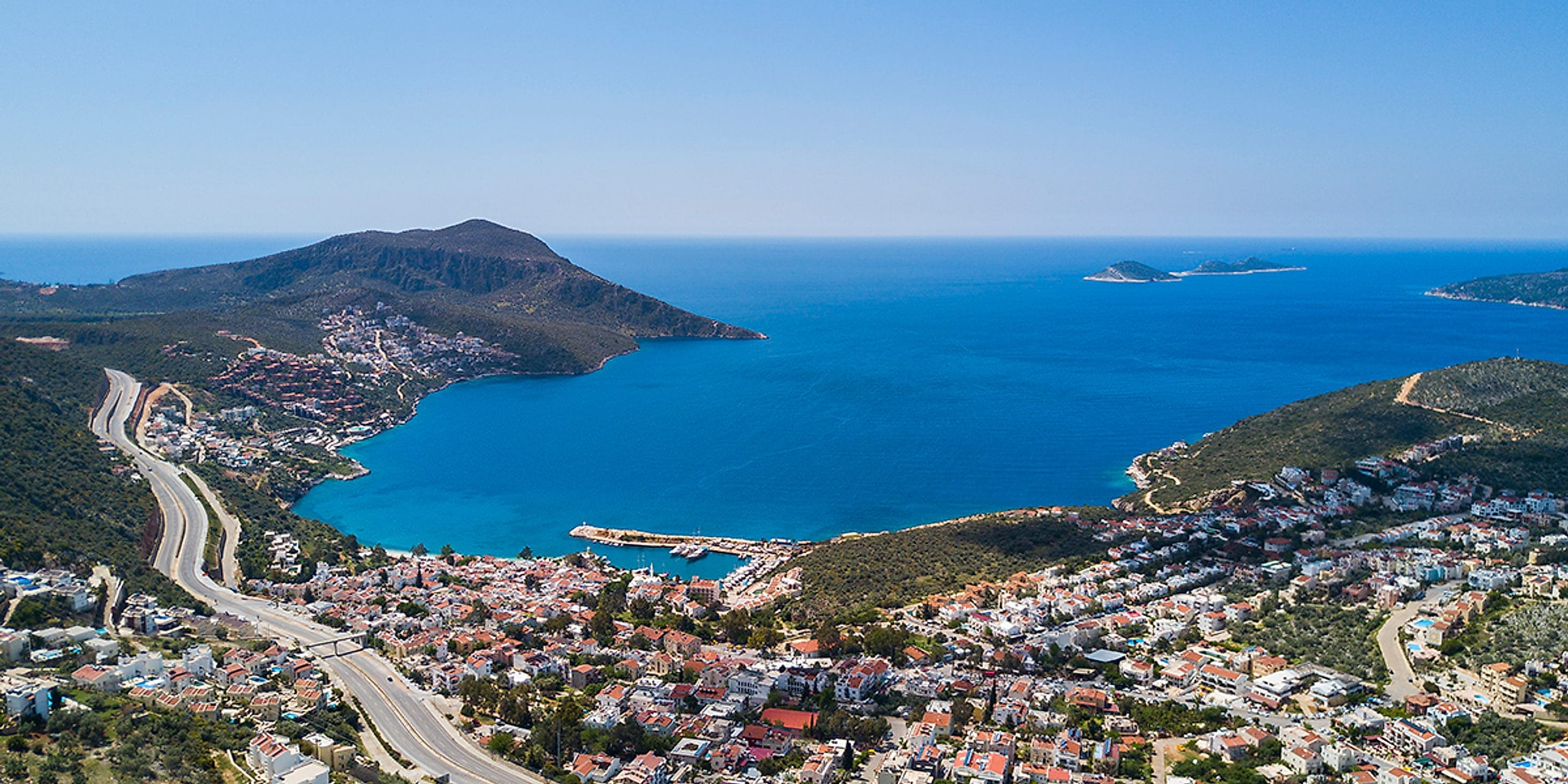
Kalkan is a Turkish Mediterranean fishing village gone upscale to resort status. Located 27 km (17 miles) west of Kaş it’s like Kaş with less land but more money.

Kalkan has retained more of its Ottoman-era character, and has beauty and charm despite the inevitable modern development, most noticeable in the form of the 60-room Patara Prince Hotel & Resort and the 18-villa Club Patara Villas on the southeast side of Kalkan’s pristine little azure cove.

The good news is that Kalkan has a good selection ofhotels and villas to rent/let for your visit. 

Once an Ottoman Greek fishing village named Kalamaki, Kalkan (kahl-KAHN, shield) has a tiny beach, but is too hemmed in by mountains falling right into the sea to have much coastal sand. Most people swim from tiny concrete decks set near the sea, reached by stairs or ladders.


Kalkan’s small yachtharbor stays busy ferrying day-trippers to the Blue Cave and to tiny, hidden Kaputaş(KAH-poo-tahsh) beach, 7 km (4.3 miles) to the east.

Kalkan is a favorite destination for British travelers coming for a week’s villa vacation, or years of easy retirement living. If you’re traveling through, I wouldn’t recommend Kalkan for a long stay, but a night or two can be pleasant.

You get a completely different feeling for Kalkan if you stay in your own villa—an easy thing to accomplish.

Distances & Travel Times

Antalya: 214 km (133 miles) NE, 4.5 hours

Demre (Myra, Kale): 74 km (46 miles) E, 1.5 hours

Fethiye: 139 km (68 miles) NW, 2 hours

Kaş: 29 km (18 miles) W, 35 minutes

Marmaris: 246 km (153 miles) W, 4 hours

Patara: 19 km (12 miles) W, 20 minutes

Kalkan is a small Mediterranean town on the Southern coast of Turkey, which comes alive with the tourism, during the summer months, and pretty much hibernates in the winter. Famous for its whitewashed houses and colourful bougainvillea, Kalkan is a stone’s throw away from historical landmarks like Tlos, Xanthos, Patara and the sunken city of Kekova –all of which are remnants of the ancient Lycian peoples who once inhabited the area. Nearby beaches are the famous Patara and understated Kaputaş beach. 

1923 was a significant date for Kalkan, which was effected by the ‘exchange of populations’ after the Greco-Turkish war. This involved a swap between the two countries of ethnic Turks residing in Greece and ethnic Greeks residing in Turkey. The majority of Kalkan’s inhabitants before then were Greeks. During the exchange they immigrated to Attica, eventually to found the town of Kalamaki.

Previously a fishing town, Kalkan is still the only safe harbour between Fethiye and Kaş. Said harbour once made this place the primary seaport for the area up until the 70s. This was when the Fethiye road was constructed, leading to Kalkan’s gradual decline. Things changed of course when tourists happened upon the place, and it’s been booming ever since. Well ok, not exactly booming. We wouldn’t love it as much as we do if it was too booming.

Listed among the best tourist destinations of 2007, by The Independent, the majority of visitors to Kalkan are from the UK. And with over 2,000 Europeans living in the area, English is widely spoken.

Elest Ali


Kalkan areas

Find your destination

All destinations